

I still remember the day I stumbled across Kahneman and Tversky's paper on Prospect Theory. I was in my third year of pursuing financial independence, frustrated by my own irrational investment decisions, when a friend recommended I look into behavioral economics. Little did I know this academic paper would completely transform how I approach money, investing, and my entire financial independence journey.
What is Prospect Theory and Why Should You Care?
Prospect Theory, published in 1979 by psychologists Daniel Kahneman and Amos Tversky, might sound like dry academic content, but it explains why we make the financial decisions we do—often to our detriment.
Before this groundbreaking work, economists assumed we all behaved like perfectly rational calculators when making financial decisions. Spoiler alert: we don't.
As someone pursuing financial independence, understanding the psychological traps identified in Prospect Theory has saved me from countless expensive mistakes. Let me share how these insights changed my approach to building wealth and how they might help you too.
The Pain of Losing Money (and How It Derails Financial Independence)
The most powerful insight from Kahneman and Tversky's research is something called loss aversion. Their studies showed that the pain of losing $100 feels roughly twice as bad as the pleasure of gaining $100.
This explains why I panicked and sold investments during the market crash of 2020, even though I logically knew I should hold or even buy more. The psychological pain of watching my net worth drop was simply too intense.
Once I understood this aspect of my psychology, I made three changes to my financial independence strategy:
I automated more of my investments, reducing the opportunity to react emotionally
I stopped checking my portfolio daily (or even weekly)
I reframed market drops as "sales" on assets I wanted to buy anyway
These simple changes, informed by Prospect Theory, kept me invested through later market volatility and significantly accelerated my path to financial independence.
Reference Points: Why "Keeping Up with the Joneses" Kills Financial Freedom
Another key concept from the paper is reference dependence—we evaluate our financial situation not in absolute terms but relative to reference points like:
Our previous financial state
Our peers' apparent wealth
The lifestyle depicted in media
Our parents' standard of living
For years, I felt financially inadequate despite making solid progress toward financial independence. Why? I was comparing myself to colleagues who appeared wealthy but were actually drowning in debt.
When I adjusted my reference points to align with my actual financial independence goals, my satisfaction increased dramatically. I created a personal dashboard tracking my progress toward my "FI number" (25x annual expenses) rather than comparing my lifestyle to others.
This shift in reference points made sustainable frugality much easier and more satisfying.
The Small Chances That Sabotage Your Financial Plans
Kahneman and Tversky discovered we dramatically overweight small probabilities in our decision-making. This explains both lottery tickets and excessive insurance policies—we overvalue both extremely unlikely gains and extremely unlikely losses.
In my financial independence journey, this manifested in two costly behaviors:
Holding too much cash for "emergencies" that never happened
Speculating on high-risk investments hoping for overnight wealth
Once I recognized this tendency, I:
Reduced my emergency fund to a reasonable 3-months of expenses
Set a strict 5% limit on "speculative" investments
Created an investment policy statement to guide decisions during emotional moments
These changes freed up capital for productive investments and protected me from speculation that could have derailed my financial independence timeline.
How Framing Changes Everything About Money Management
Perhaps the most practical insight from Prospect Theory is the framing effect—how the same financial situation can lead to different decisions depending on how it's presented.
I used to view budgeting as a series of deprivations ("I can't afford that"). By reframing each spending decision in terms of time to financial independence, my perspective changed completely.
A $30 dinner out wasn't just $30; it was adding hours or days to my working life. This reframe made spending decisions much clearer without feeling deprived.
Similarly, I started framing my savings rate as "buying freedom" rather than "not spending." This positive frame made saving feel rewarding rather than restrictive.
Applying Prospect Theory to Your Financial Independence Journey
Ready to use these powerful psychological insights to accelerate your own path to financial independence? Here are practical ways to apply Prospect Theory to your finances:
1. Automate to Overcome Loss Aversion
Create systems that prevent your loss-averse brain from sabotaging your investments:
Set up automatic investments that execute regardless of market conditions
Use target-date funds or robo-advisors that rebalance automatically
Consider a financial advisor whose objectivity can counter your emotional reactions
2. Choose Your Reference Points Carefully
Your satisfaction with your financial progress depends largely on what you're comparing it to:
Track progress toward your personal financial independence number
Find a financial independence community with aligned values
Create visualization tools that show progress over time rather than day-to-day fluctuations
3. Manage Your Probability Blind Spots
Don't let misperception of small probabilities derail your financial plan:
Limit speculative investments to a small percentage of your portfolio
Review insurance coverage to ensure you're not over-insuring against unlikely events
Create rules for windfalls and stick to them (like allocating 90% to your core strategy)
4. Frame Financial Decisions as Gains, Not Losses
How you think about money choices has an enormous impact:
Frame saving as "buying freedom" rather than "restricting spending"
Calculate the "life energy cost" of purchases (Your Money or Your Life approach)
Visualize the growing passive income from your investments rather than focusing on what you're not spending
The Psychology of Staying the Course
Financial independence isn't just about knowing the right financial moves—it's about actually making them consistently, even when emotions try to pull you off course.
Kahneman and Tversky's work provides a map of the psychological terrain we must navigate on the path to financial freedom. By understanding these mental patterns, we can design systems and habits that work with our psychology rather than against it.
For me, this knowledge transformed frustration into insight. I stopped beating myself up for "irrational" financial behaviors and instead built structures to protect myself from predictable psychological tendencies.
Beyond the Theory: Real-World Results
Since incorporating these psychological insights into my financial independence plan, I've:
Maintained a consistent 50%+ savings rate without feeling deprived
Stayed fully invested through two market downturns
Reduced financial anxiety despite pursuing an "extreme" financial goal
Made faster progress toward my FI number than in all previous years combined
While investment returns and income are important, I'm convinced that managing our financial psychology is the true superpower on the path to financial independence.
What's Your Experience?
Have you noticed these psychological patterns in your own financial life? Which aspect of Prospect Theory resonates most with your experiences? I'd love to hear how you're navigating the psychological side of financial independence in the comments below.
Further Reading:
Thinking, Fast and Slow - Kahneman's comprehensive book on decision-making
The Psychology of Money by Morgan Housel - Accessible exploration of money psychology
Why Smart People Make Big Money Mistakes - Practical applications of behavioral economics to personal finance
Your Money and Your Brain by Jason Zweig - How neuroscience explains financial behavior
Disclaimer: This blog post is for informational purposes only and should not be considered financial advice. Always consult with a qualified financial professional before making investment decisions.
Ready to Put These Principles into Action?
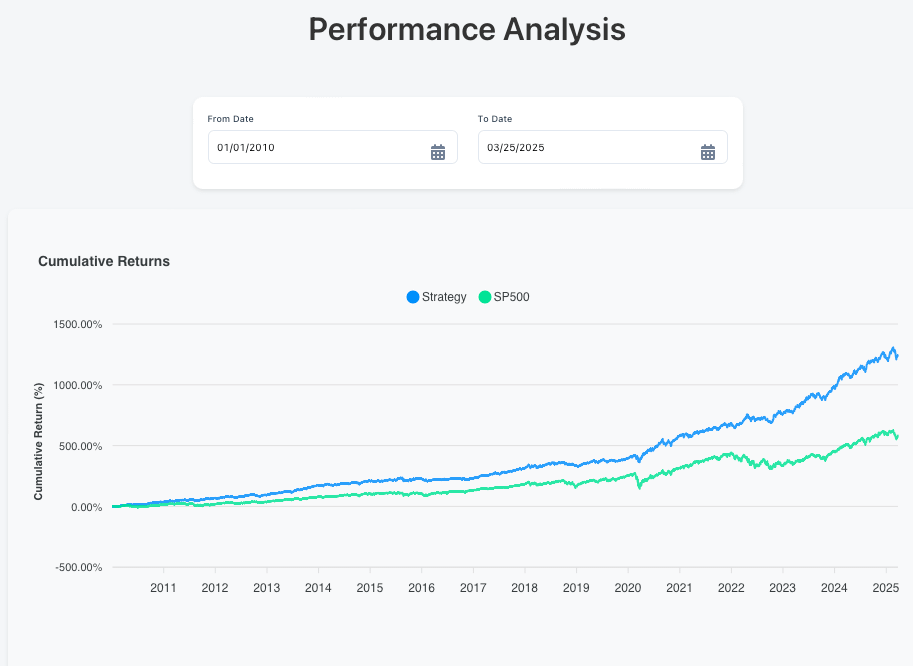
TheSimplePortfol.io is a powerful tool designed to help you implement the psychological insights we've discussed. It provides automated investment tracking that:
Reduces emotional decision-making by providing objective metrics
Creates better reference points with customizable goals and milestones
Frames your journey positively with progress visualization tools
Simplifies complex financial data to keep you focused on what matters
Whether you're just starting your financial independence journey or well on your way, TheSimplePortfol.io gives you the tools to make better decisions and stay the course.