

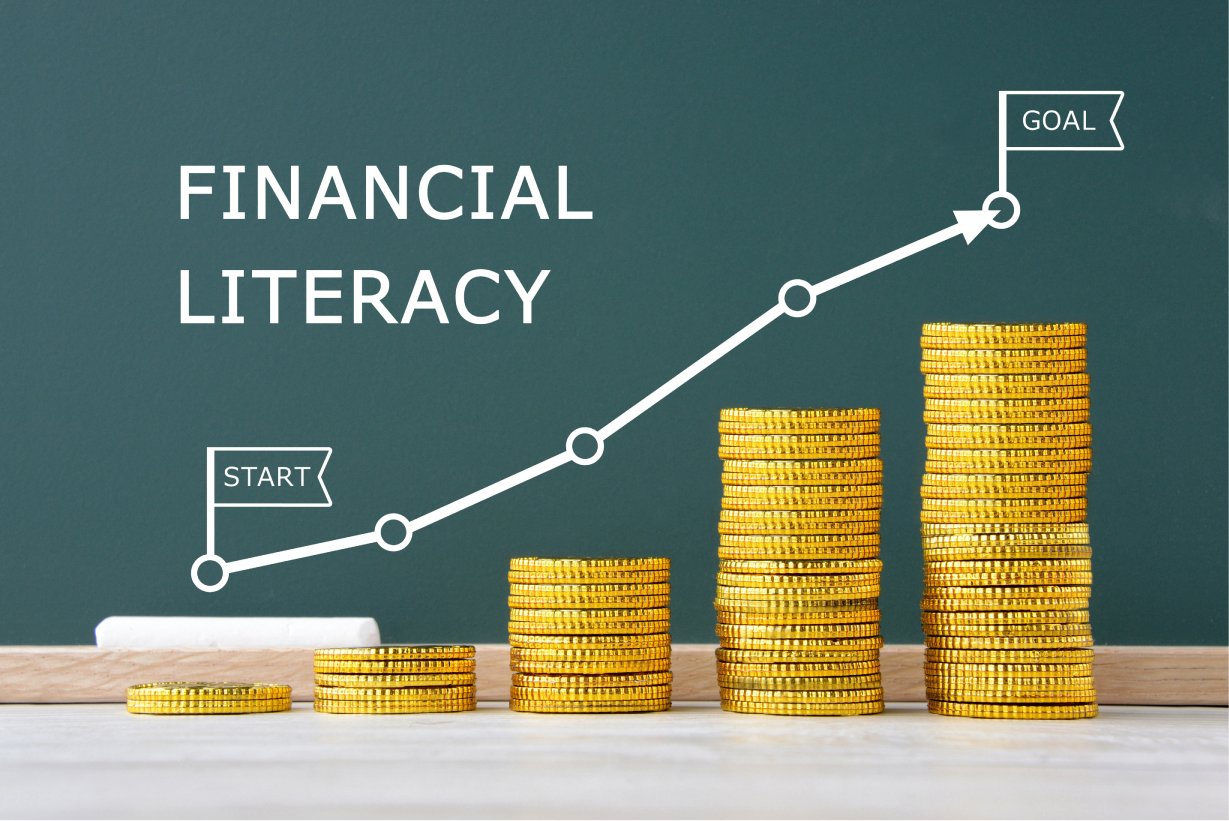
When I first started investing in the stock market ten years ago, I was completely overwhelmed. Terms like "diversification," "dollar-cost averaging," and "expense ratios" might as well have been a foreign language. My investment journey began with several costly mistakes that could have been avoided with better financial education.
This personal experience is why a recent research paper by Baveja and Verma caught my attention. Their study, "Impact of Financial Literacy on Investment Decisions and Stock Market Participation," examines a critical question I've often pondered: how does financial knowledge influence our ability to participate in markets and build wealth?
What the Research Reveals About Financial Literacy
The researchers conducted a qualitative analysis of social media content to understand how financial literacy impacts investment behavior. Their findings confirmed what I've observed in my own life: financial knowledge isn't just helpful—it's essential for financial success.
Four key themes emerged from their research, each resonating deeply with my experience guiding clients and working on my own financial journey:
1. Low Financial Literacy Creates Significant Barriers
The study found that lack of financial literacy is a major obstacle preventing people from participating in the stock market. This matches what I've seen among friends and family members who avoid investing because "it seems too complicated."
One Reddit user quoted in the study said: "I've always been intimidated by the stock market. There's so much jargon and complex concepts that I don't understand. It feels like you need a finance degree just to get started."
I've heard similar sentiments countless times, and it's heartbreaking because this knowledge gap prevents many from building wealth through one of the most powerful vehicles available.
2. Financial Education Builds Confidence and Independence
According to the research, increased financial literacy empowers people to make informed decisions and take control of their financial future. This resonated strongly with my journey.
A LinkedIn user in the study commented: "Financial literacy isn't just about understanding money; it's about gaining the power to control your financial future. It's the key to true independence."
I remember the transformation in my own confidence once I invested time in learning how markets work. Suddenly, market volatility became less frightening because I understood the historical patterns and long-term growth potential of my investments.
3. Technological and Generational Shifts Are Changing Investment Behavior
The researchers identified how technology has revolutionized investment access, particularly for younger generations. This evolution has made the stock market more accessible but also highlights the continued importance of financial education.
One Quora user mentioned: "As a millennial, I'm way more comfortable with app-based investing. It's made the stock market feel accessible in a way it never was for my parents."
I've witnessed this shift firsthand. While investment apps have democratized access to markets, they've also created a generation of investors who may be trading without fundamental financial knowledge—making financial literacy more important than ever.
4. Financial Literacy Protects Against Investment Scams
Perhaps most critically, the study found that individuals with lower financial literacy are more vulnerable to financial scams and fraudulent investment schemes. This finding hits home after seeing several acquaintances fall victim to "too-good-to-be-true" investment opportunities.
A Twitter user in the study warned: "It's scary how many investment 'opportunities' are actually scams. If you don't understand finance, it's so easy to fall for these tricks."
The researchers cited academic work showing that "better financial literacy will lead to a better ability to detect investment fraud," regardless of education level. This protective function of financial literacy cannot be overstated in today's complex financial landscape.
Why This Research Matters for Your Financial Journey
The findings from this study confirm what many financial advisors have intuited: financial education is the foundation of financial success. The research provides evidence that financial literacy doesn't just help people make better decisions—it fundamentally determines whether they'll participate in wealth-building opportunities at all.
For me, this reinforces the importance of continuous learning about financial concepts. Every book, article, and podcast on investing has compounded not just my knowledge but my actual returns over time.
How to Apply These Insights to Your Own Financial Life
If this research has inspired you to boost your financial literacy, here are some practical steps I've found helpful:
1. Start with the Fundamentals
Focus on understanding core concepts like:
The difference between stocks, bonds, and other asset classes
How compound interest works (Einstein allegedly called it "the eighth wonder of the world")
Basic principles of diversification
The relationship between risk and reward
Resources like Investopedia and Khan Academy offer free educational content that can help build your foundation.
2. Follow Reputable Financial Educators
I've learned tremendously from financial educators who explain complex concepts in accessible ways:
The Bogleheads' Guide to Investing (based on John Bogle's investment philosophy)
Financial podcasts like "Planet Money" and "The Rational Reminder"
3. Practice with Small Amounts
Once you've built some knowledge, start applying it with small investments. As one Reddit user in the study noted: "Learning about investments and finance has been a game-changer for me. It's empowering to know I can make informed decisions about my money."
I began with just $50 per month in a low-cost index fund, which allowed me to learn without risking significant capital.
4. Join Investment Communities
The research highlighted how social media platforms have become important spaces for financial education. Consider joining communities like:
r/personalfinance on Reddit
LinkedIn groups focused on investing
These communities offer perspectives and insights that can accelerate your learning curve—just be careful to verify information before acting on it.
5. Be Vigilant Against Scams
As the research emphasized, financial literacy serves as protection against fraud. Before investing in anything:
Research thoroughly
Be skeptical of guaranteed returns
Verify credentials of financial professionals
Remember that legitimate investments rarely require pressure tactics or urgency
Building a Financially Literate Future
What struck me most about this research is how clearly it demonstrates that financial literacy isn't just about making better investment decisions—it's about having the opportunity to participate in wealth creation at all.
For those of us who have overcome the knowledge barrier, there's a responsibility to help others do the same. Whether that's teaching children about money, sharing resources with friends, or supporting financial education in schools, we can all contribute to building a more financially literate society.
The researchers concluded that financial literacy empowers individuals to "make informed investment decisions, reduce vulnerability, and achieve financial independence." In my experience, that's not just academic theory—it's the practical reality of how financial knowledge transforms lives.
I'd love to hear about your experiences with financial literacy. Has increased financial knowledge changed your approach to investing? What resources have you found most helpful in your learning journey? Share your thoughts in the comments below!
Disclaimer: This blog post is for informational purposes only and should not be considered financial advice. Always consult with a qualified financial professional before making investment decisions.
Recommended Resources for Improving Your Financial Literacy
The Simple Path to Wealth by JL Collins
A Random Walk Down Wall Street by Burton Malkiel
I Will Teach You to Be Rich by Ramit Sethi
The Bogleheads' Guide to Investing by Taylor Larimore, Mel Lindauer, and Michael LeBoeuf
Your Money or Your Life by Vicki Robin and Joe Dominguez
Want to take control of your financial future? Join our weekly newsletter for more insights on building financial literacy and making smarter investment decisions.