

Last month at my triathlon club's post-training coffee, the conversation turned to nutrition and budgeting. As we compared notes on fueling strategies, I mentioned that our family of three spends around €280 per month on groceries.
"That's impossible!" exclaimed João, a fellow age-grouper. "We easily spend €600+ monthly, and that's without eating out much!"
His reaction reminded me of the stark difference between conscious spending and mindless consumption—especially when you're pursuing Financial Independence, Retire Early (FIRE) while maintaining peak athletic performance.
The Portuguese Grocery Reality Check
Coming from Switzerland, where I was used to spending CHF 800+ monthly on groceries, Portugal initially felt like a food paradise. But even here, it's easy to fall into expensive habits. The average Portuguese family spends around €400-500 monthly on groceries, according to recent studies. However, this average includes plenty of inefficient choices.
The FIRE opportunity is massive. If a family can reduce their grocery spending from €500 to €280 monthly, that's €2,640 saved annually. Invested at 7% returns, this compounds to approximately €37,000 every decade—serious money for early retirement.
The Vegetarian Triathlete Power Couple Dilemma: High Performance, Plant-Based, Low Cost
Between us, my wife and I train over 20 hours weekly. I burn roughly 3,500-4,000 calories daily, she burns 2,800-3,200 depending on her training phase, and our 5-year-old daughter is constantly growing. The challenge: fueling two endurance athletes and a growing child on a vegetarian diet without breaking our FIRE budget—while dodging the myth that plant-based performance nutrition is expensive.
The math works out to roughly €3.10 per person per day, covering all meals and snacks. For me, that's about €0.77 per 1,000 calories—quite achievable when you understand the economics of nutrition.
Portugal's Secret Weapons: Aldi, Lidl, and Smart Shopping
Forget Pingo Doce for staples (though their fresh fish selection is excellent). Aldi and Lidl are your FIRE allies. Here's what 1,000 calories costs at these German discount chains:
White rice: €0.40
Pasta: €0.45
Rolled oats: €0.55
Olive oil: €1.20 (Portugal's liquid gold!)
Dried beans: €0.60
Peanut butter: €1.10
Bananas: €1.30
Potatoes: €0.70
Dried legumes (lentils, chickpeas, beans): €0.60
Tofu (Aldi's excellent own-brand): €1.80
Tempeh: €2.40
Greek yogurt: €1.60
Cottage cheese: €1.40
Almonds/mixed nuts: €3.20
Quinoa: €2.80
Canned chickpeas/beans: €1.20
Notice the pattern? Calorie-dense whole foods provide exceptional value, while processed convenience foods drain your budget.
Fueling Double Athletic Performance on Plants
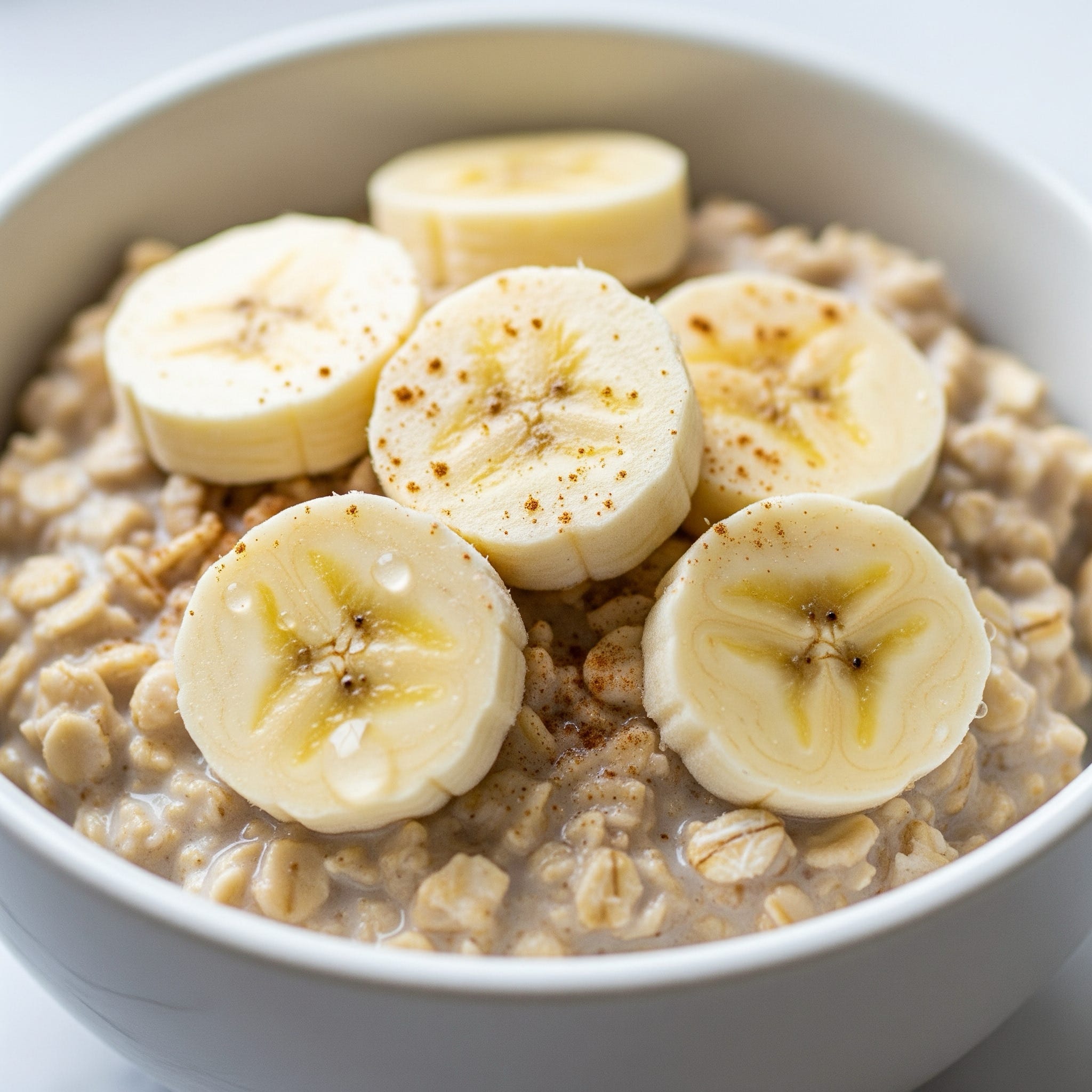
Pre-training powerhouse: My go-to fuel before a 2-hour bike session costs under €1.20—overnight oats with banana, local honey, and almond butter. My wife prefers a quick smoothie with frozen berries, spinach, and plant protein powder (€1.50). Both provide sustained energy without the €5+ energy bar habit.
Post-workout recovery: Our secret weapon is chocolate plant milk (€0.80) with a banana and a handful of dates. This delivers optimal carb-to-protein ratios cheaper than commercial recovery drinks costing €3+. My wife often adds a scoop of pea protein to hit her recovery targets.
Endurance fuel: Homemade energy balls using Medjool dates, almonds, oats, and chia seeds cost €0.25 per piece versus €2+ for commercial energy products. We make batches together on Sundays—it's become a family ritual.
The Vegetarian Protein Strategy: Cheaper Than You Think
Here's where vegetarian FIRE gets interesting—plant proteins are dramatically cheaper than animal proteins. Portugal's legume tradition works perfectly for our needs:
Lentils and rice combinations (complete amino acid profiles)
Chickpea-based meals (hummus, roasted chickpeas, chickpea flour pancakes)
Greek yogurt and cottage cheese (for those training days needing quick protein)
Tofu and tempeh (Aldi's prices make these affordable staples)
Nuts and seeds (perfect for calorie-dense snacking between sessions)
Quinoa (bought in bulk, used strategically for complete proteins)
Between us, we easily hit 120-150g daily protein each (needed for our training loads) while spending less on protein than most omnivorous families spend on meat alone. The Portuguese bean and lentil varieties available at local markets are incredible—and incredibly cheap.
Sample Week: Double Triathlete Household, Plant-Powered
Monday (Both training - Bike + Run day):
My breakfast: Oats, banana, almond butter, chia seeds (€1.60)
Her breakfast: Green smoothie with protein powder (€1.50)
Lunch: Massive lentil dal with rice, shared (€3.00 total)
My dinner: Tofu stir-fry with vegetables and quinoa (€3.80)
Her dinner: Chickpea curry with naan bread (€3.20)
Snacks: Mixed nuts, fruits, yogurt (€3.50 total)
Household total: €16.60
Wednesday (Recovery day):
Breakfast: Scrambled tofu with vegetables, toast (€2.40 total)
Lunch: Hummus and vegetable wraps (€3.80 total)
Dinner: Portuguese bean stew with chorizo-style tempeh (€4.50 total)
Snacks: Fruit, crackers, cheese (€2.30 total)
Household total: €13.00
Our highest-calorie training days (weekend long sessions) rarely exceed €20 in food costs for all three of us.
The 5-Year-Old Factor
Children actually simplify budget grocery shopping. Our daughter thrives on simple, whole foods:
Fresh fruit (Portugal's citrus is incredible and cheap)
Plain yogurt with honey
Rice and bean combinations
Local bread from the padaria
Cheese and crackers for quick energy
Kids don't need expensive "children's foods"—they need nutrition, which whole foods provide more affordably than processed alternatives.
Shopping Strategy: The Swiss Efficiency Meets Portuguese Abundance
Weekly planning saves money: I spend 20 minutes Sunday planning meals around sales and seasonal produce. This prevents impulse purchases and food waste.
The 80/20 rule: 80% of our calories come from staples bought at Aldi/Lidl. The remaining 20% includes treats, specialty items, and fresh produce from local markets.
Bulk buying: Non-perishables like rice, pasta, and canned goods get purchased monthly. Our small storage area pays for itself quickly.
Beyond the Numbers: Why This Matters for FIRE
This isn't about deprivation—it's about intentionality. Every euro saved on groceries is a euro invested toward financial independence. For our family, efficient grocery spending means:
More money for experiences: Family trips, race entries, equipment upgrades
Faster FIRE timeline: Reduced expenses mean less money needed for retirement
Better health: Whole foods provide superior nutrition for training and family wellness
Life skills: Our daughter learns that good food doesn't require high costs
The Portuguese FIRE Advantage
Living in Portugal while pursuing FIRE offers unique advantages. Excellent local produce, affordable protein sources, and a culture that values home cooking create the perfect environment for budget-conscious, performance-oriented eating.
The key insight: Your grocery bill isn't fixed—it's designed. With intentional choices, a triathlete family can eat extremely well while accelerating their path to financial independence.
Next time someone claims healthy eating is expensive, remember: it's not about the money you spend, it's about the value you create. In Portugal, with smart shopping and good planning, that value can be extraordinary.
What's your biggest grocery budget challenge? Have you found ways to balance performance nutrition with FIRE goals? Share your strategies below—the Portuguese FIRE community is always learning.