


Most financial advice gets it backward. We're told financial freedom comes from accumulating enough wealth to live on our own terms. But I've learned a harder truth: Real financial independence isn't just about having money—it's about needing less of it in the first place.
After spending years chasing the traditional markers of success, I've discovered that true freedom comes from breaking the chains of dependency that keep us tied to systems that don't serve our best interests. This journey has transformed not just my finances, but my entire relationship with modern capitalism.
Let me share what I've learned about creating genuine freedom that exists beyond the numbers in your bank account.
The Myth of Financial Freedom Through Accumulation
When I was 32, I had what looked like success: a six-figure tech job, a growing investment portfolio, and all the trappings of upper-middle-class life. I was following the standard financial independence advice: maximize income, minimize expenses, invest the difference, and eventually build enough wealth to escape the workforce.
But despite my growing net worth, I felt profoundly unfree. The golden handcuffs were real. My high-paying job demanded 60+ hour weeks. My health insurance was tied to my employment. My mortgage required maintaining my income level. My lifestyle had invisible strings attached to systems I couldn't control.
Then came my wake-up call—witnessing my employer's sudden restructuring that eliminated my entire department with barely two weeks' notice. Despite Switzerland's strong social safety nets, I realized how precarious my "freedom" really was. My lifestyle, housing, and future plans were all contingent on maintaining corporate employment. My carefully constructed financial house of cards suddenly seemed fragile.
This experience forced me to confront an uncomfortable truth: I hadn't been building freedom—I'd been building a more comfortable form of dependency.
Redefining Financial Freedom: Breaking the Dependency Chains
True financial freedom isn't just about having enough money to navigate exploitative systems—it's about reducing your reliance on those systems altogether. It means creating independence from:
Employment dependency: Not needing a specific job for survival
Healthcare system dependency: Having alternatives to expensive medical care
Food system dependency: Ability to feed yourself outside industrial agriculture
Energy dependency: Reducing reliance on corporate utilities
Housing market dependency: Secure housing that isn't subject to market whims
Consumer goods dependency: Skills to repair, create, and repurpose instead of buying
Each dependency you break creates lasting freedom that no market crash, inflation spike, or corporate layoff can take away.
How I Started Decoupling My Life From Exploitative Systems
After that experience , I began systematically reducing my dependencies. Here's what that looked like:
1. From Food Dependency to Food Sovereignty
I started with food—the most basic necessity. Despite living in a suburban neighborhood, I transformed my yard into a productive food garden that now provides about 40% of my produce needs.
I began with simple crops—lettuce, tomatoes, zucchini—and expanded each season. I learned preservation techniques: canning, fermenting, dehydrating. I connected with local farmers for meat and dairy, cutting out the industrial food system middlemen.
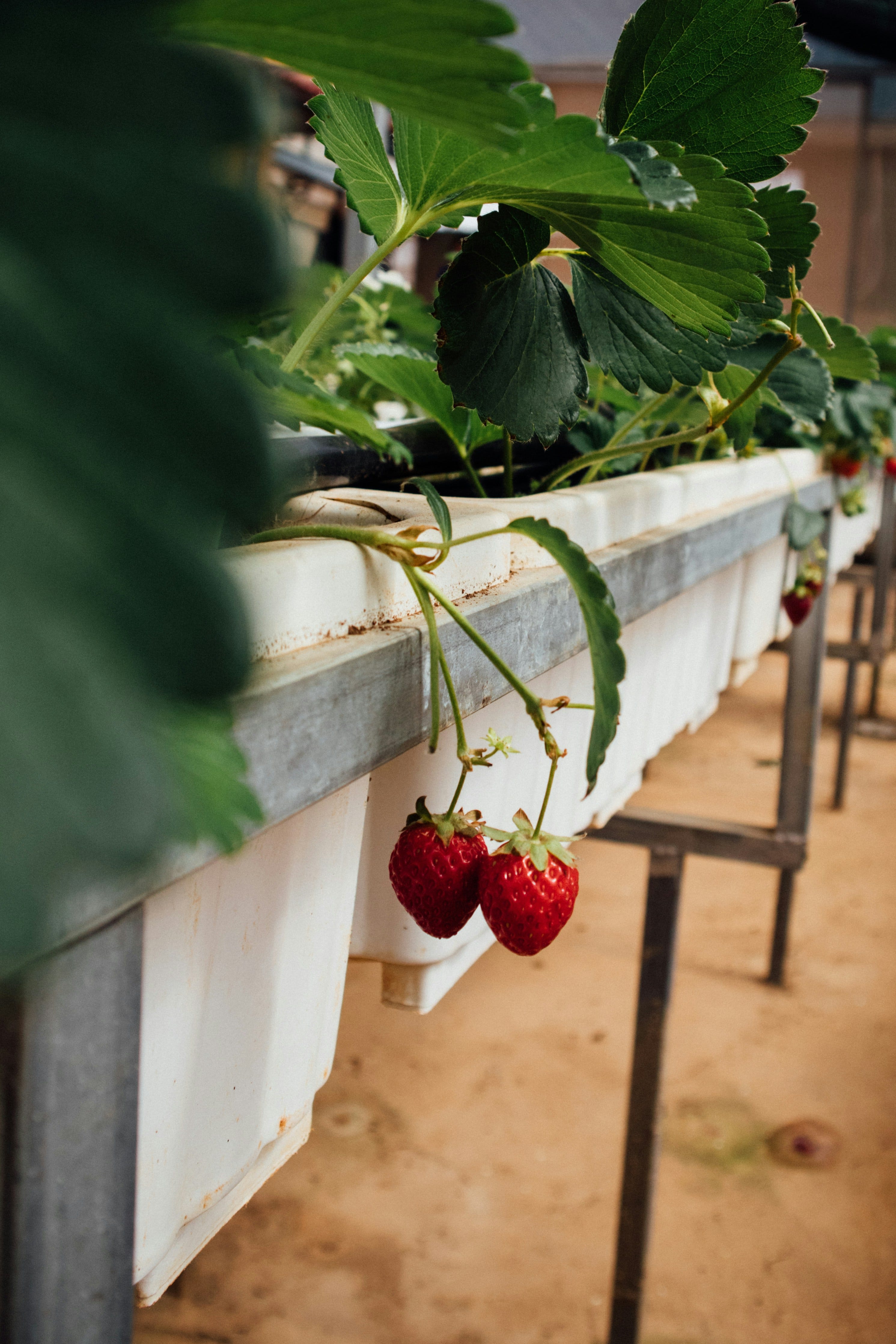
This wasn't just about saving money (though my grocery bill dropped by $300/month). It was about knowing that regardless of supply chain issues or price fluctuations, I had direct access to real food. The first time I made an entire meal from food I'd grown myself was more satisfying than any paycheck I'd ever received.
2. Building Real Community as Social Insurance
Our hyper-individualistic society has convinced us that self-reliance means doing everything alone. This couldn't be further from the truth. True resilience comes through community interdependence.
I began intentionally building relationships with neighbors and like-minded people. We started small: tool sharing, skill exchanges, garden surplus swaps. This evolved into a neighborhood care network that has helped members through job losses, health problems, and personal crises.
When my neighbor needed emergency childcare during a family crisis, our network stepped in. When another lost her job, we organized meal deliveries while she job-searched. This mutual aid network provides better "social insurance" than any policy I could buy.
3. Developing Non-Commodifiable Skills
Perhaps the most valuable assets I've developed are skills that capitalism can't easily commodify—abilities that create value without requiring payment to middlemen.
I learned basic medical care for handling minor health issues. I developed repair skills that keep appliances running instead of replacing them. I studied natural building techniques that dramatically reduced housing costs.
Each skill represented one less service I needed to purchase, one less system I depended on, one more area where I controlled my own needs. The confidence that comes from this knowledge is immeasurable.
Creating Financial Freedom That Can't Be Taken Away
This alternative approach to financial freedom doesn't mean rejecting money entirely. I still work (on my own terms now), still invest (more ethically), and still participate in the economy. But I do so from a position of choice rather than dependency.
Here's what my redefined financial freedom looks like in practice:
Multiple Small Income Streams Instead of One Job
Rather than relying on a single employer, I've developed several income sources: consulting in my field, selling garden seedlings and surplus, teaching workshops on skills I've developed, and a small rental unit on my property.
None of these alone could support me, but together they create resilience. If one dries up, the others sustain me while I adapt. No single entity can threaten my livelihood.

Dramatically Lower Overhead
By producing more and consuming less, my monthly expenses have dropped to about 40% of what they once were. This isn't about deprivation—it's about meeting needs more directly.
My food costs are lower because I grow much of what I eat. My utility bills are minimal due to solar panels and efficiency improvements. My healthcare costs are reduced because preventative herbalism and healthy living have improved my baseline health.
This low overhead means I need far less income to maintain my lifestyle—the ultimate freedom.
Health Beyond Conventional Medicine
Even with Switzerland's universal healthcare system, I've discovered the value of investing in prevention and holistic wellbeing. Daily movement, real food, stress management, and community connection keep me healthier than I was during my high-stress corporate years.
I've learned to handle minor issues through nutrition. I've built relationships with complementary practitioners who provide wellness care that enhances the conventional medical system.
My health is no longer completely dependent on reactive medical intervention—I've taken an active role in maintaining wellness rather than just treating illness.
The Path to True Financial Freedom
If this approach resonates with you, here are concrete steps to begin your own decoupling journey:
1. Audit Your Dependencies
Make a list of all the systems you currently depend on for survival and wellbeing. For each one, ask:
What would happen if this system became unavailable or unaffordable?
What alternatives exist outside the mainstream?
What skills could I develop to meet this need more directly?
This audit reveals your vulnerability points and opportunities for increased resilience.
2. Start With Food
Food independence is the perfect starting point. Even in apartments, window boxes can grow herbs and greens. Community gardens offer plots for those without yards. Farmers' markets and CSAs create direct relationships with food producers.
Start small—growing one vegetable you commonly eat—and build from there. The satisfaction of eating something you've grown creates motivation to expand.
3. Intentionally Build Community
In our digitally connected but physically isolated world, building real community takes effort. Start by simply knowing your neighbors. Host potlucks. Offer help when you see a need. Create or join community groups around shared interests.
Look for opportunities to formalize mutual aid: tool libraries, skill shares, buying clubs, childcare co-ops. Each connection reduces dependency on commercial alternatives.
4. Develop One Self-Reliance Skill at a Time
Don't try to learn everything at once. Pick one skill that interests you—food preservation, basic home repairs, herbal medicine, sewing, woodworking—and develop it fully before moving to the next.
YouTube, community education, and mentorships make skill development more accessible than ever. The confidence gained from mastering one skill fuels motivation to learn others.
5. Reduce Fixed Expenses Permanently
Focus on reducing structural costs rather than penny-pinching. Housing is typically the largest expense—could you downsize, add roommates, or create income from your property? Transportation is usually second—could you live car-free or car-lite?
Each fixed expense you eliminate creates permanent freedom that doesn't require ongoing sacrifice.
Redefining Wealth Beyond Money
After seven years on this journey, my definition of wealth has transformed. I measure it not in dollars but in:
Food security: The ability to feed myself and loved ones regardless of market conditions
Health sovereignty: Knowledge and resources to maintain wellbeing outside institutional healthcare
Energy resilience: Reduced vulnerability to utility disruptions and price hikes
Community wealth: A network of relationships that provide mutual support and care
Skill abundance: The ability to solve problems and meet needs directly
Time affluence: Freedom to use my time according to my values, not an employer's demands
This wealth can't be measured on a balance sheet or stolen by inflation. It exists in my garden, my community relationships, my knowledge, and my increased self-determination.
The Revolutionary Act of Reducing Dependency

Pursuing this form of financial freedom isn't just a personal lifestyle choice—it's quietly revolutionary. Every dependency you break is one less point of control that exploitative systems have over your life.
When enough people reduce their dependencies on systems designed to extract maximum profit while providing minimum value, those systems lose power. This isn't about dropping out—it's about creating alternatives that better serve human needs.
The most profound freedom I've found isn't the ability to buy whatever I want—it's not needing to buy much at all. It's not having enough wealth to access premium healthcare—it's being healthy enough to rarely need medical intervention. It's not having a job that pays enough to afford anything—it's having the skills and community to thrive with or without conventional employment.
True financial freedom means creating a life that works well regardless of what the economy does. It means building resilience against both personal and societal disruptions. Above all, it means reclaiming your power from systems that profit from dependency.
This journey isn't always easy, but it leads to a kind of security that no amount of money alone can buy—the security of knowing that your wellbeing rests primarily in your own hands and the hands of a community that genuinely cares for its members.
And that, I've found, is the most valuable asset of all.
What steps have you taken to reduce your dependencies on exploitative systems? Share your experiences in the comments, and let's learn from each other's journeys toward true financial freedom.